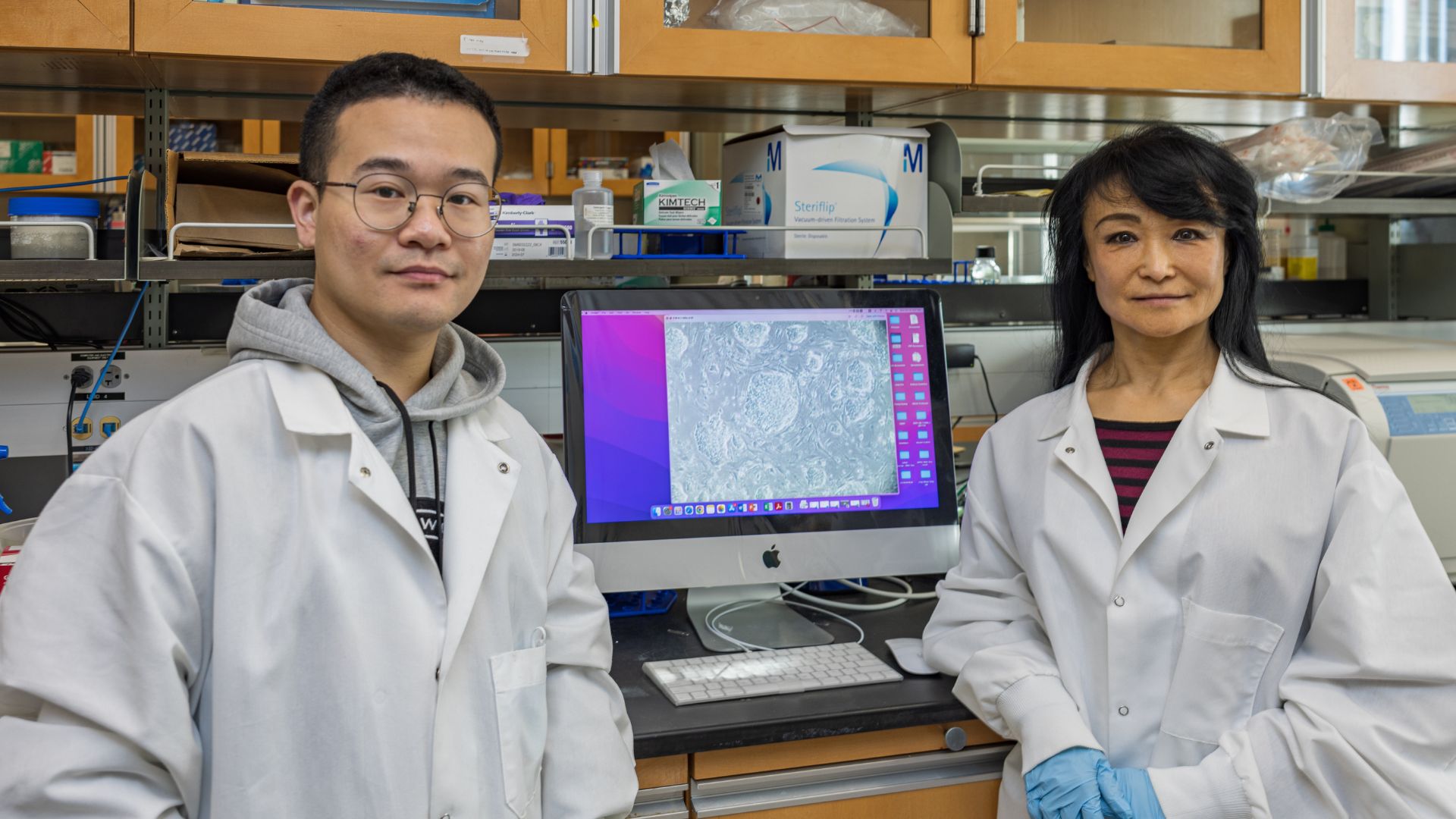
Animal Reproduction & Embryology
Animal reproduction and embryology research explores the biological processes that influence fertility, fertilization, and early embryonic development. In the Department of Animal Science, this work connects reproductive biology and biotechnology with real-world applications in livestock production, fertility treatments, and species preservation, while providing students with hands-on opportunities to gain experience and prepare for future careers.
Research and Opportunities
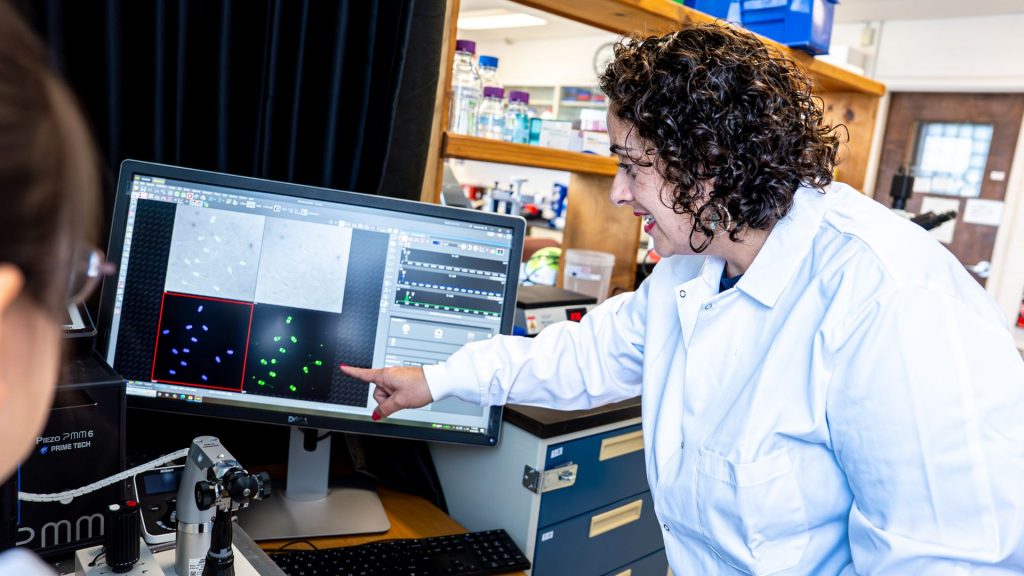
What We Study
Research in animal reproduction and embryology includes topics such as sperm function, fertilization, embryo viability, embryonic development, reproductive physiology, assisted reproductive technologies, cloning, cryopreservation, and genetic and epigenetic regulation during early development. Faculty use advanced laboratory and molecular techniques to study reproductive success and improve technologies such as in vitro fertilization, embryo production, and oocyte maturation in animal systems.
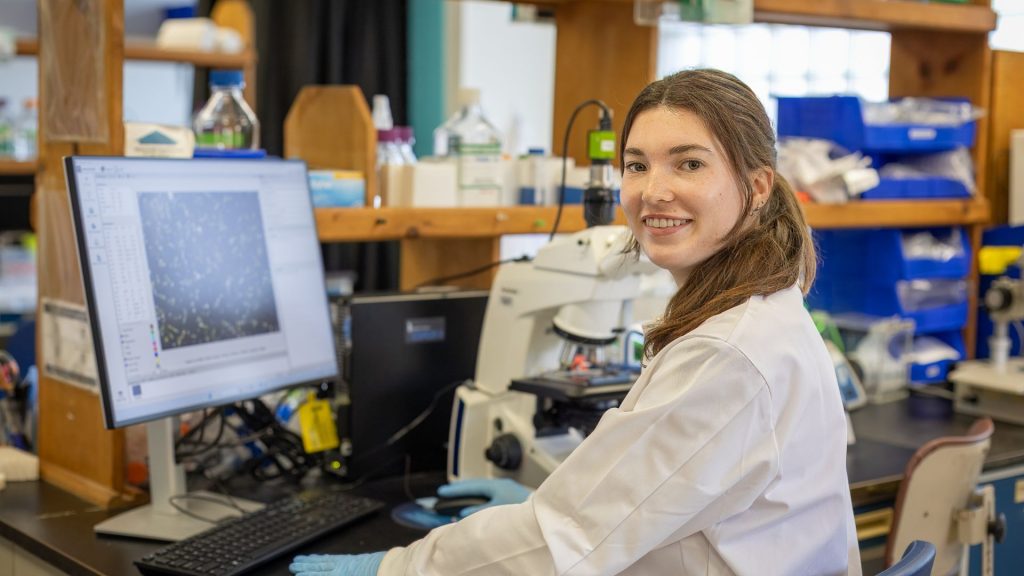
Hands-On Opportunities
Students interested in animal reproduction and embryology can explore research through coursework, faculty-led projects, laboratory experiences, microscopy and imaging techniques, molecular biology approaches, and collaborative research opportunities. Undergraduate and graduate students are encouraged to connect with faculty members whose research aligns with their interests to learn more about available opportunities.
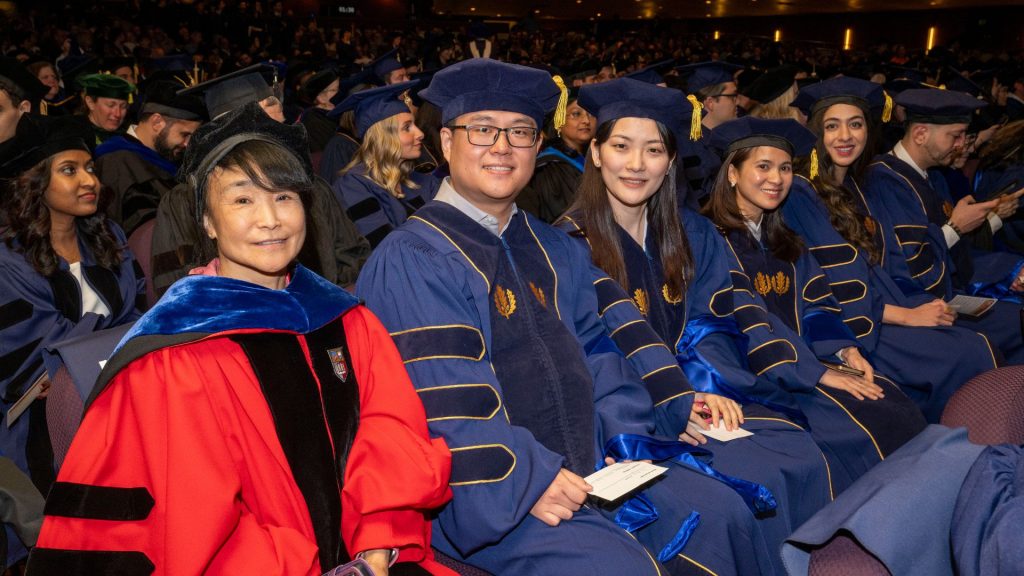
Career Connections
Research experience in animal reproduction and embryology can prepare students for careers in animal agriculture, reproductive biotechnology, veterinary medicine, fertility and embryo technologies, laboratory research, biotechnology industries, and graduate or professional study.
Faculty Researchers


Interested in research opportunities? Contact faculty directly to learn more about getting involved in their lab.
Explore Animal Science Research
The Department of Animal Science conducts research across a wide range of areas that support animal agriculture, food systems, and animal care. Explore additional research areas to learn more about the work our faculty and students are doing.
