Equine Science
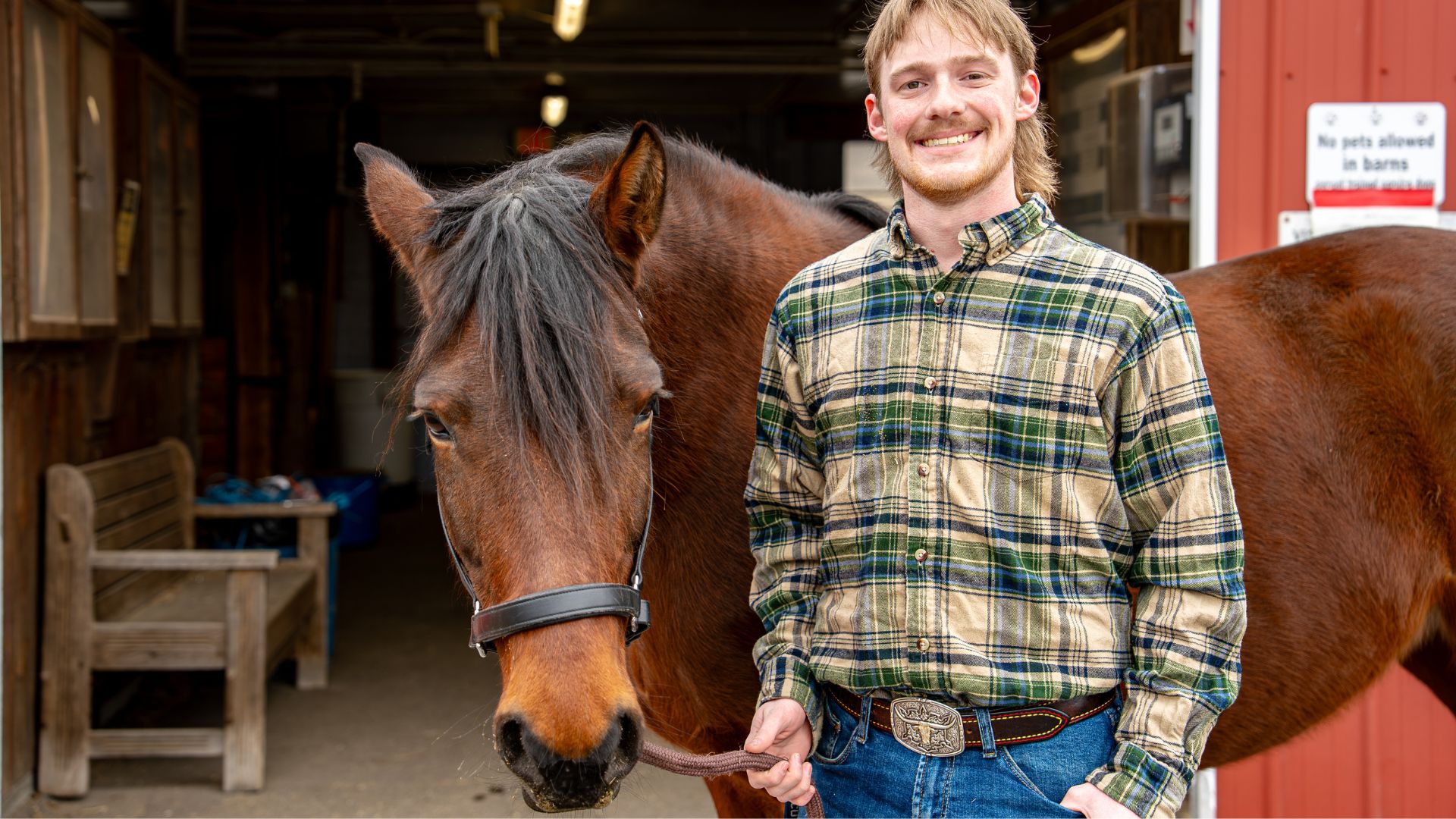
Equine science research explores strategies to improve horse health, welfare, and management through a better understanding of disease susceptibility, stress, physiology, and parasite control. In the Department of Animal Science, this work connects animal health and management practices with real-world applications in the equine industry, while providing students with hands-on opportunities to gain experience and prepare for future careers.
Research and Opportunities
What We Study
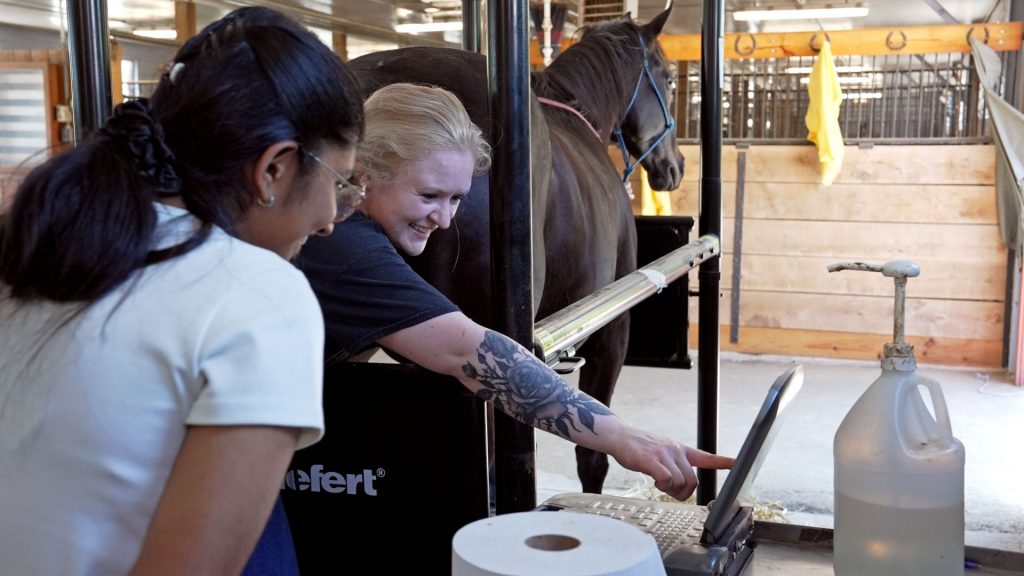
Research in equine science includes topics such as parasite management, disease susceptibility, stress responses, physiology, animal welfare, muscle growth and development, and the effects of nutrition and environmental factors on animal health. Faculty study how management practices, physiological conditions, and emerging technologies can improve equine health, welfare, and performance while supporting science-based decision-making for horse owners and industry professionals.
Hands-On Opportunities
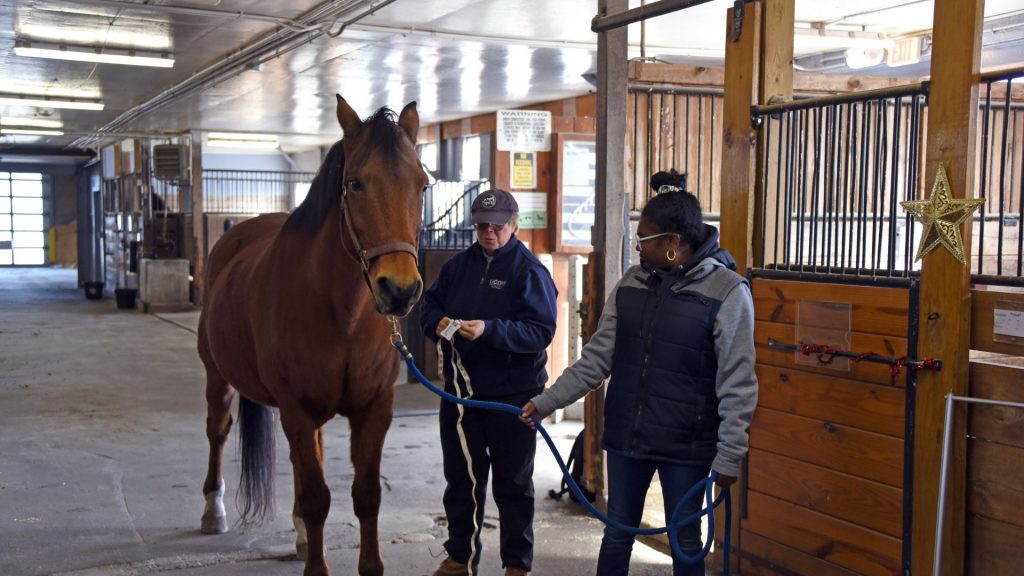
Students interested in equine science can explore research through coursework, faculty-led projects, laboratory and field experiences, animal management activities, physiological and behavioral studies, and collaborative research opportunities. Undergraduate and graduate students are encouraged to connect with faculty members whose research aligns with their interests to learn more about available opportunities.
Career Connections
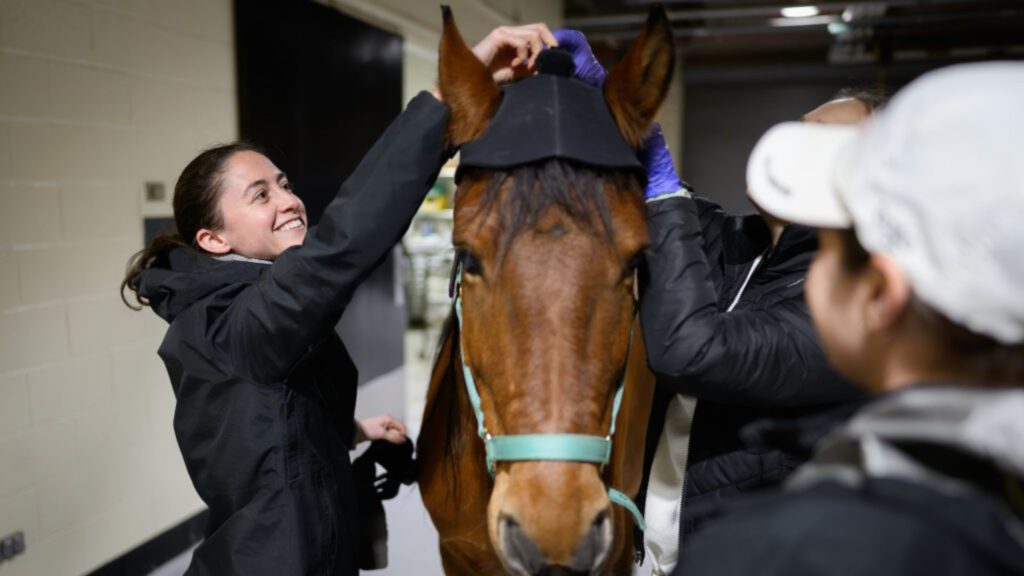
Research experience in equine science can prepare students for careers in equine management, animal health and welfare, veterinary medicine, livestock and equine industries, research and development, extension and outreach, agricultural consulting, and graduate or professional study.
Faculty Researchers


Interested in research opportunities? Contact faculty directly to learn more about getting involved in their lab.
Explore Animal Science Research
The Department of Animal Science conducts research across a wide range of areas that support animal agriculture, food systems, and animal care. Explore additional research areas to learn more about the work our faculty and students are doing.