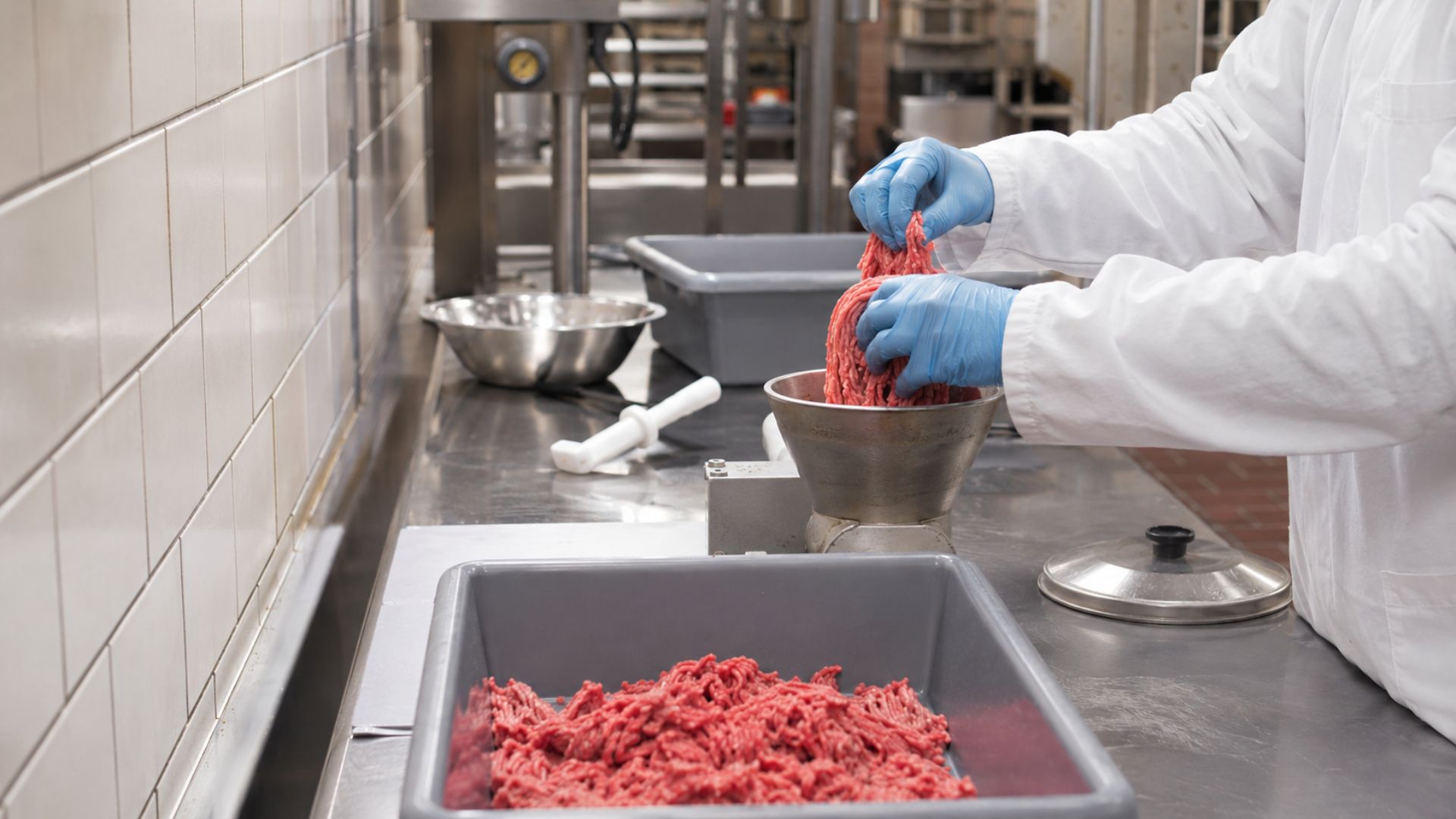
Meat Chemistry
Meat chemistry research explores the biochemical and molecular processes that influence meat quality, functionality, and consistency. In the Department of Animal Science, this work connects muscle biology, food science, and emerging technologies with real-world applications in meat production and processing, while providing students with hands-on opportunities to gain experience and prepare for future careers.
Research and Opportunities
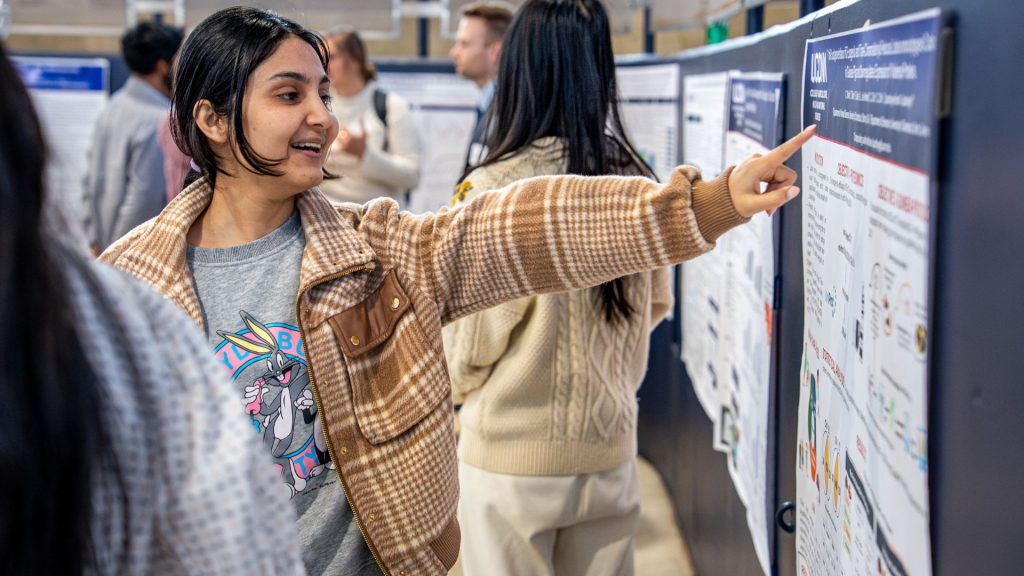
What We Study
Research in meat chemistry includes topics such as postmortem muscle biology, protein functionality, oxidative processes, meat quality variation, mitochondrial function, and protein-metabolite interactions. Faculty use advanced analytical methods, omics approaches, machine learning, and artificial intelligence tools to better understand the molecular mechanisms that influence fresh meat quality and processing characteristics.
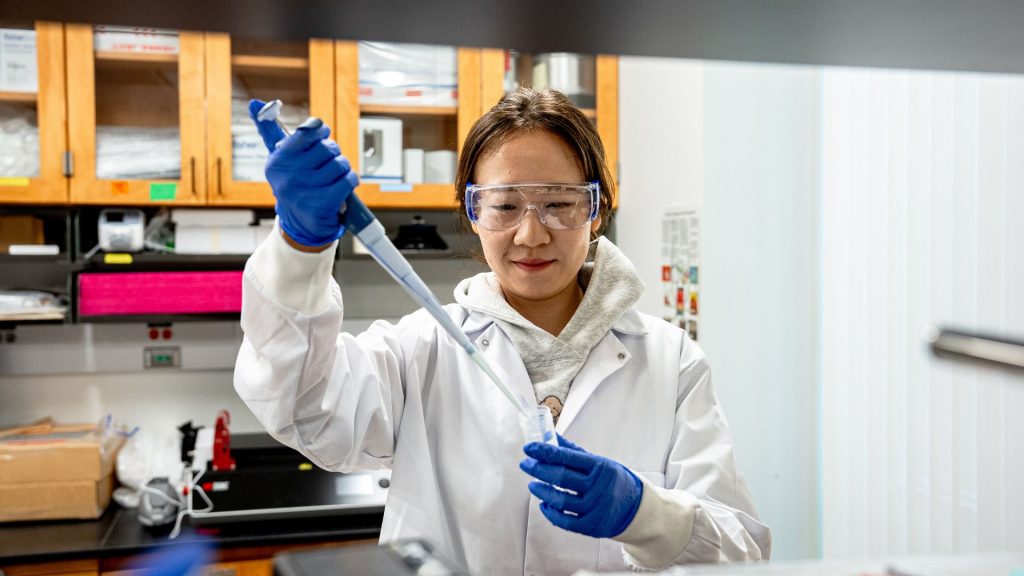
Hands-On Opportunities
Students interested in meat chemistry can explore research through coursework, faculty-led projects, laboratory experiences, analytical and molecular techniques, data analysis, and collaborative research opportunities. Undergraduate and graduate students are encouraged to connect with faculty members whose research aligns with their interests to learn more about available opportunities.
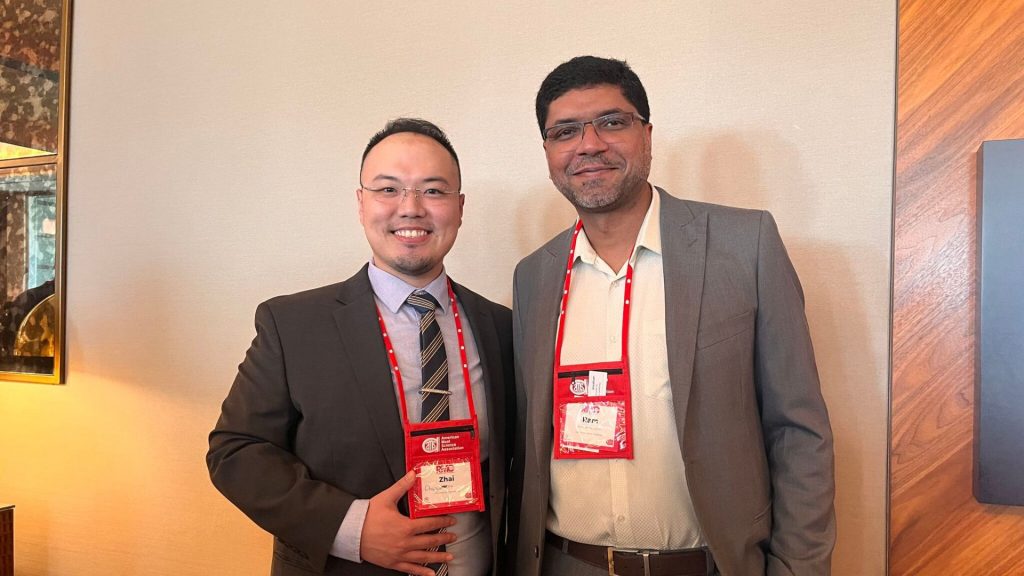
Career Connections
Research experience in meat chemistry can prepare students for careers in meat and food industries, food quality and safety, biotechnology, analytical sciences, research and development, food processing, data and computational sciences, and graduate or professional study.
Faculty Researchers
Interested in research opportunities? Contact faculty directly to learn more about getting involved in their lab.
Explore Animal Science Research
The Department of Animal Science conducts research across a wide range of areas that support animal agriculture, food systems, and animal care. Explore additional research areas to learn more about the work our faculty and students are doing.
